Bringing together experts across disciplines to drive collaboration, innovation, and progress in motor neuron disease research.
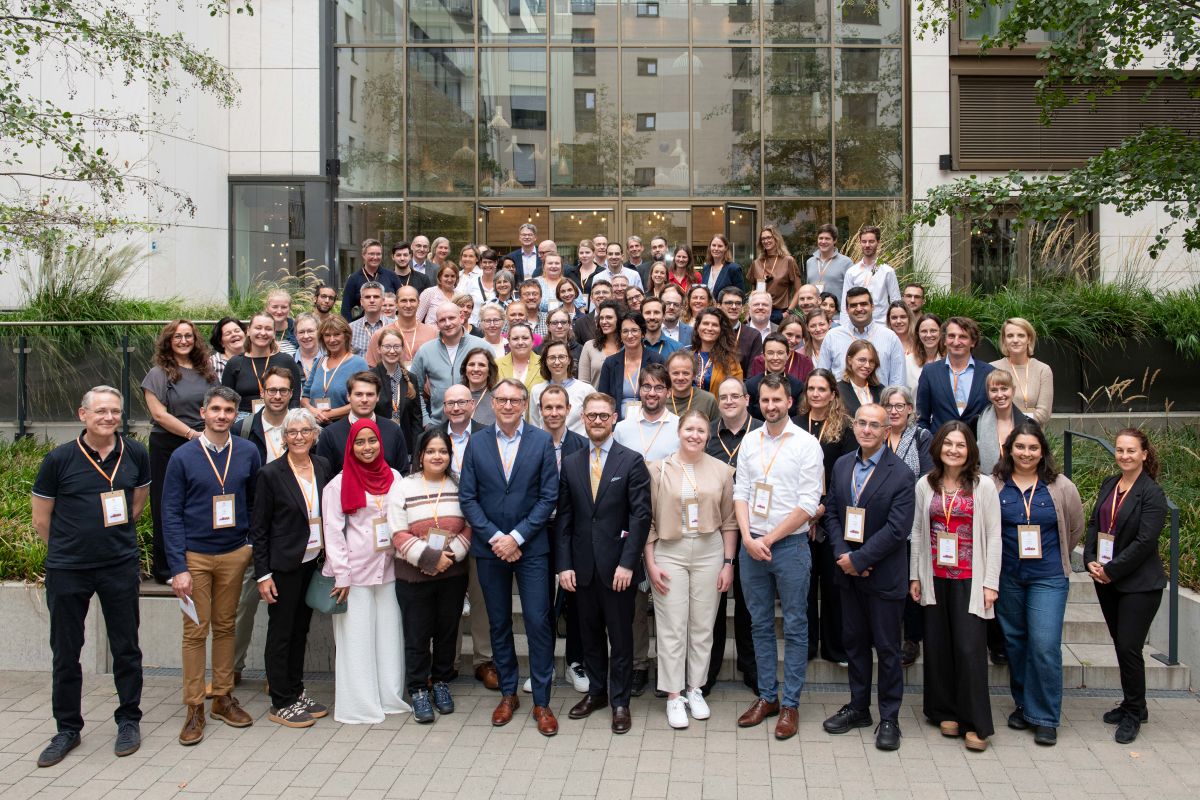
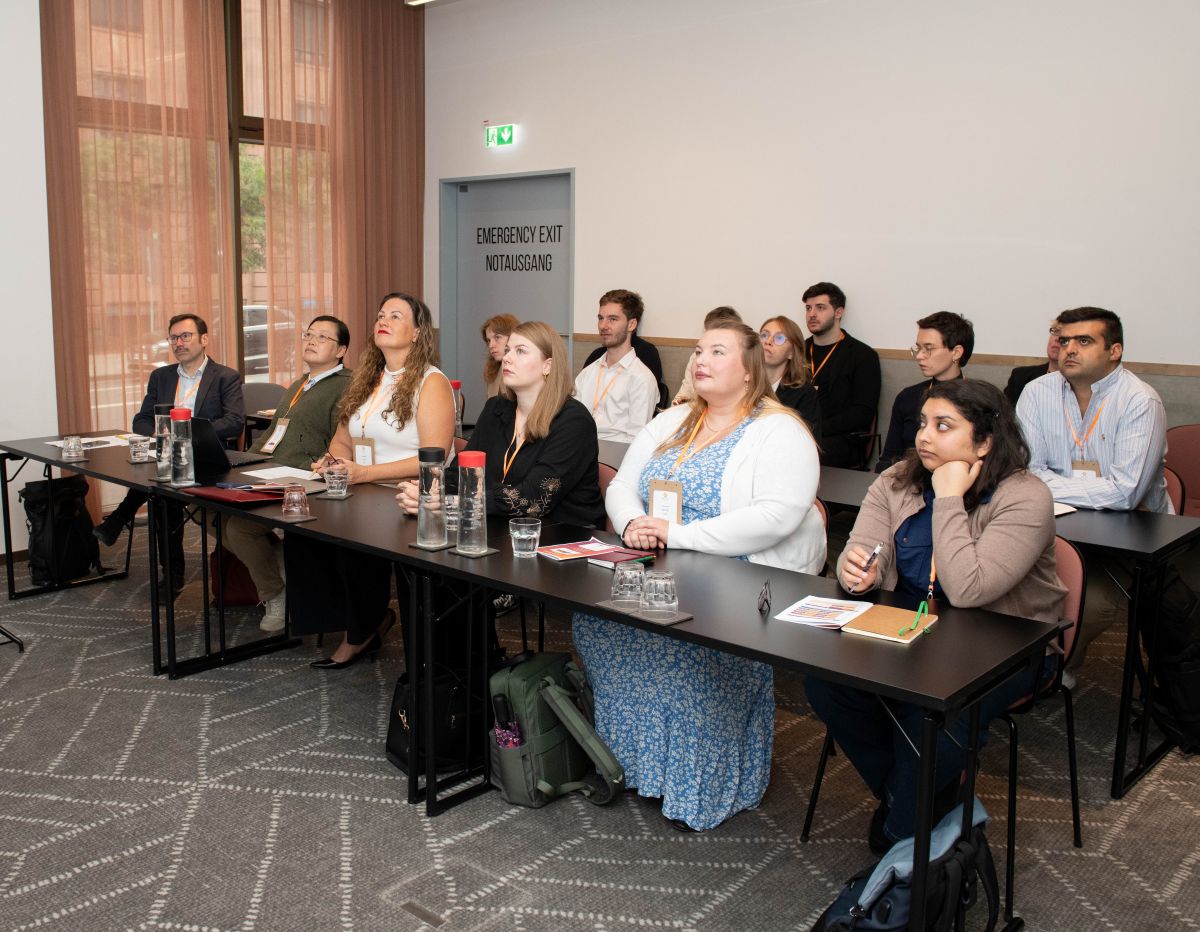
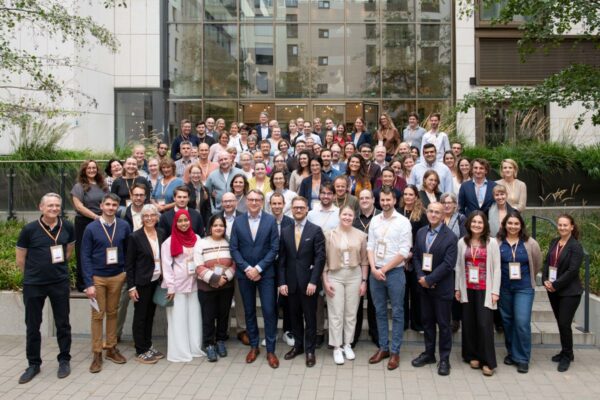
• 120 Participants from 9 European Countries: Belgium, France, Germany, Netherlands, Slovenia, Spain, Sweden, Switzerland, United Kingdom
• A multidisciplinary audience of clinicians, researchers, nurses, physiotherapists, and industry representatives.
We are committed to:
• Connecting people across disciplines and institutions
• Fostering collaboration and knowledge exchange
• Encouraging open and creative thinking
• Advancing our understanding of motor neuron diseases
• Driving research and enabling new therapies
Together, we aim to improve patient care, advance scientific discovery, and shape the future of motor neuron disease research.
Science Day – the scientific centerpiece of the MND-NET Conference 2026
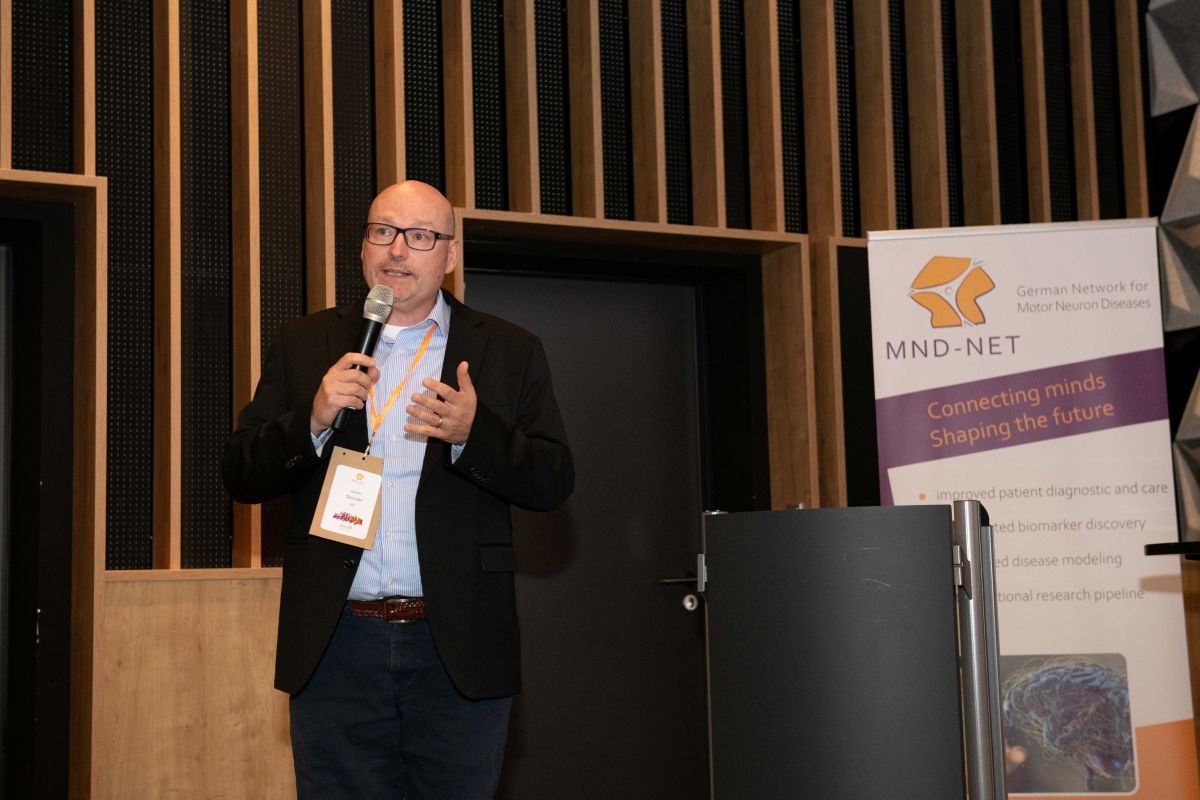
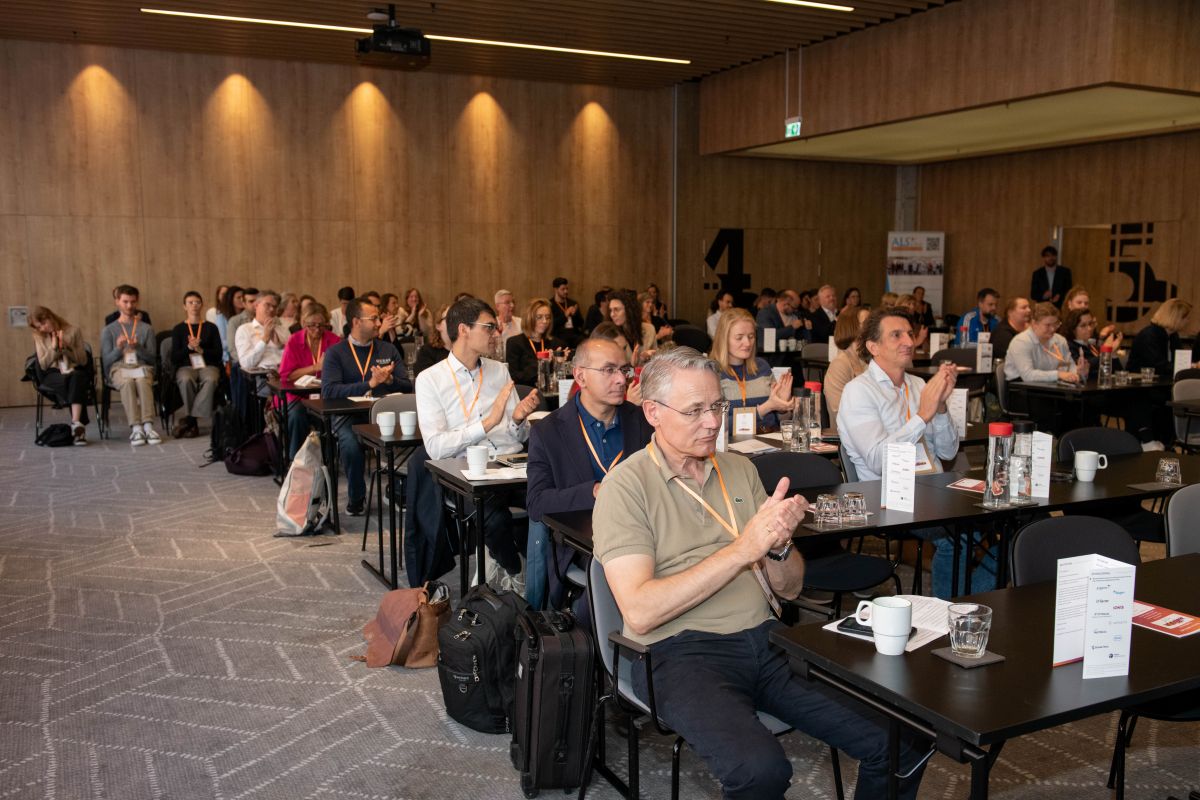
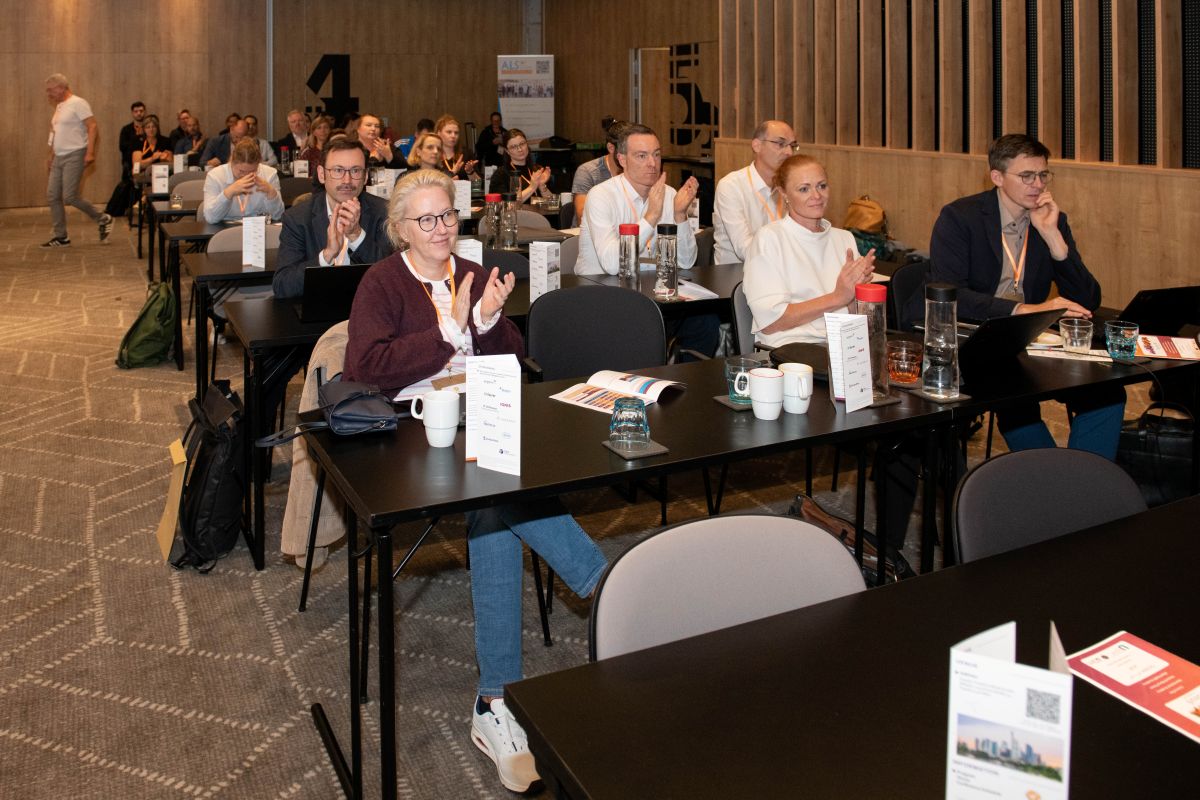
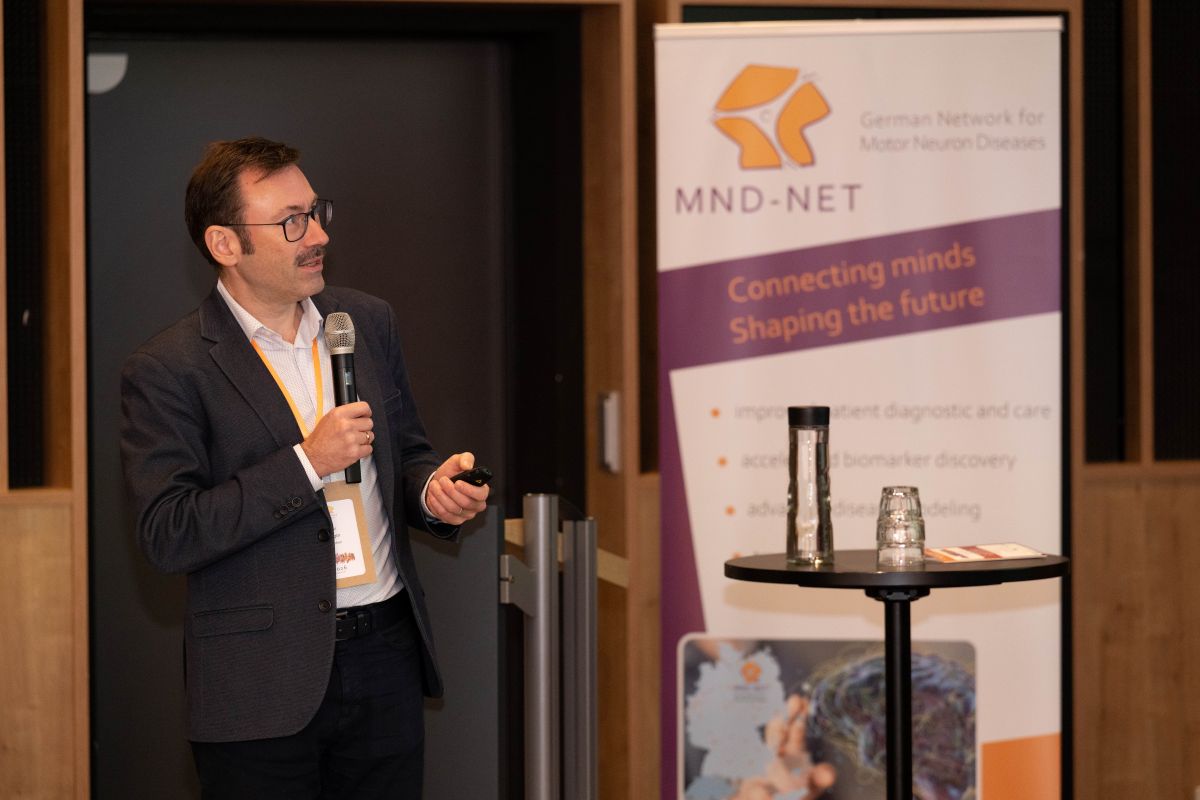
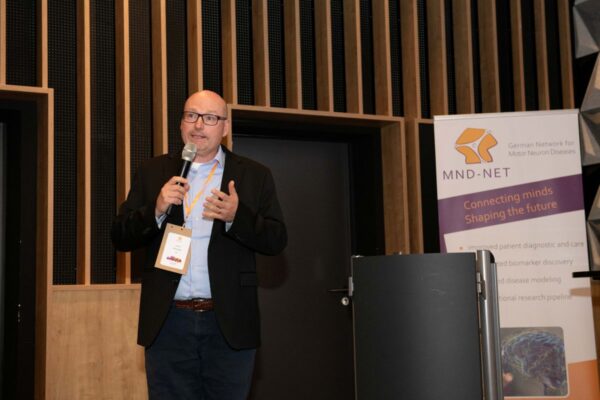
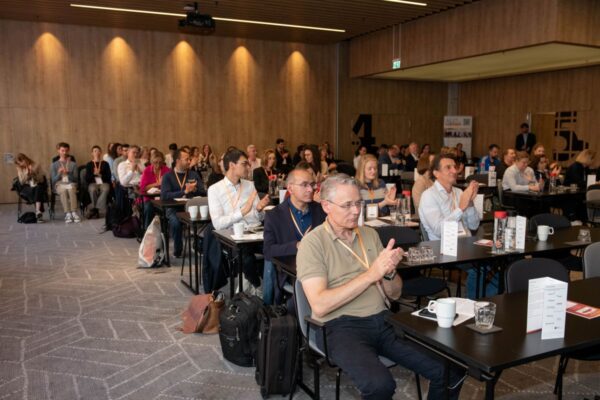
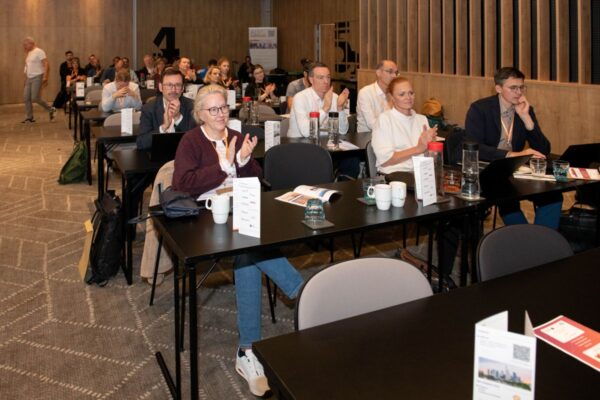
Over two days, researchers from all over Germany and beyond presented their latest data on ALS and other MNDs.
- 6 scientific symposia from basic science and disease models to clinical studies and genetic carrier cohorts
- 32 talks from 25 different partner sites
New Horizon Academy
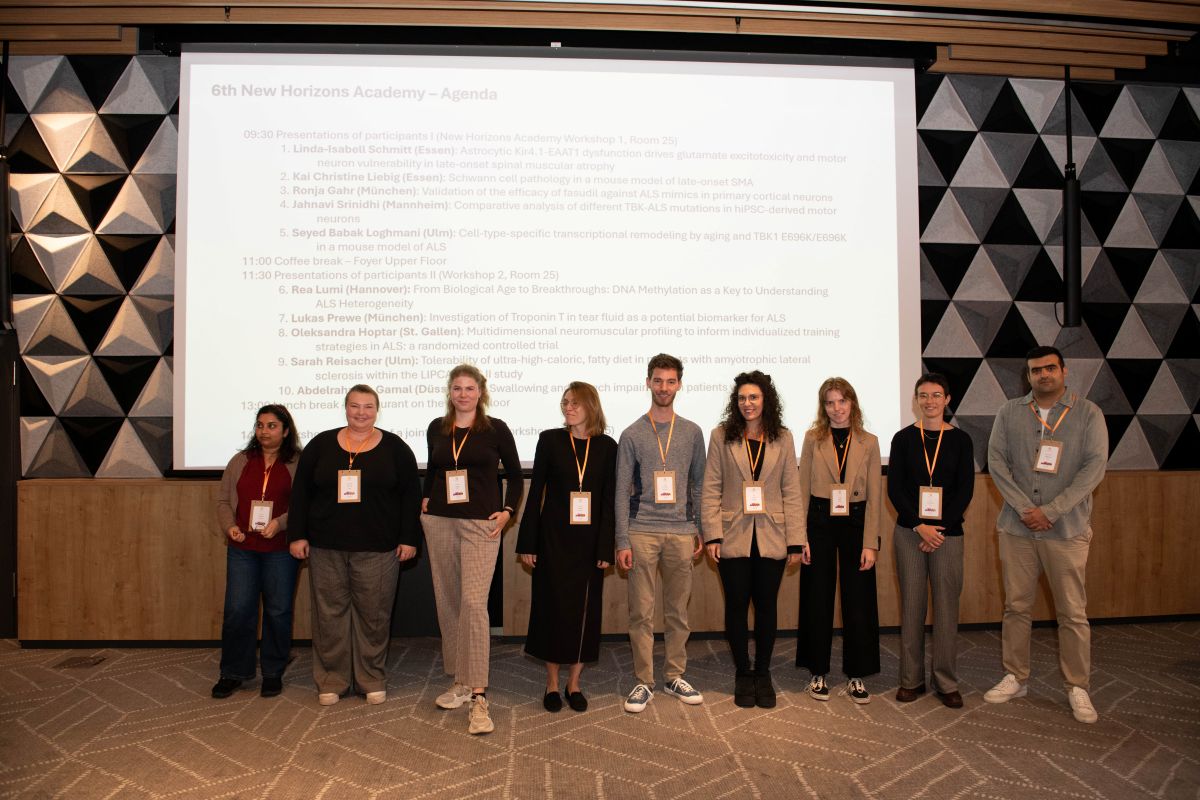
The Academy, organized by Prof. Paul Lingor, brought together 10 talented early-career researchers who actively contributed their ideas, presented their work, and engaged in inspiring scientific discussions. Their enthusiasm and commitment highlighted the strength of the next generation of MND researchers and made the event a great success
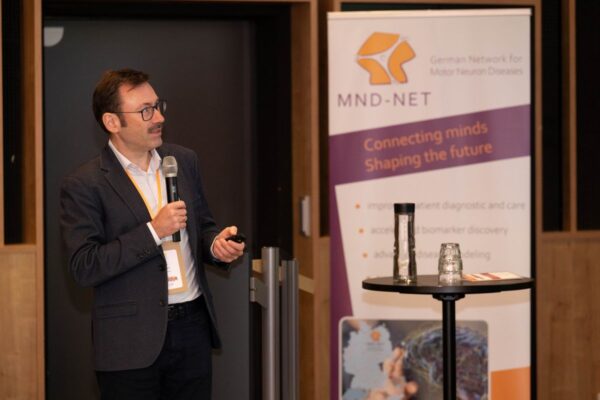
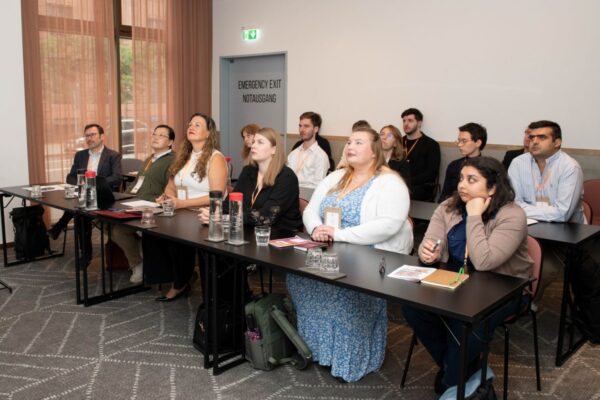
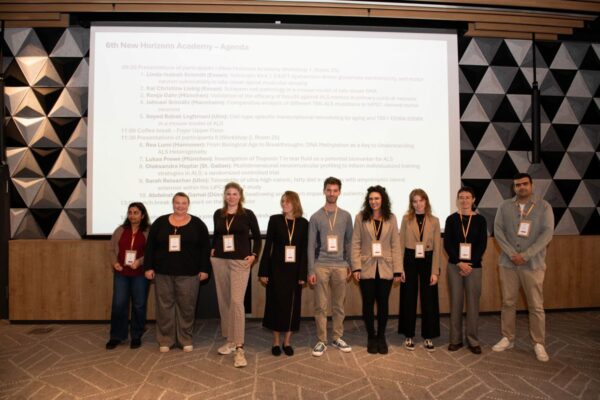
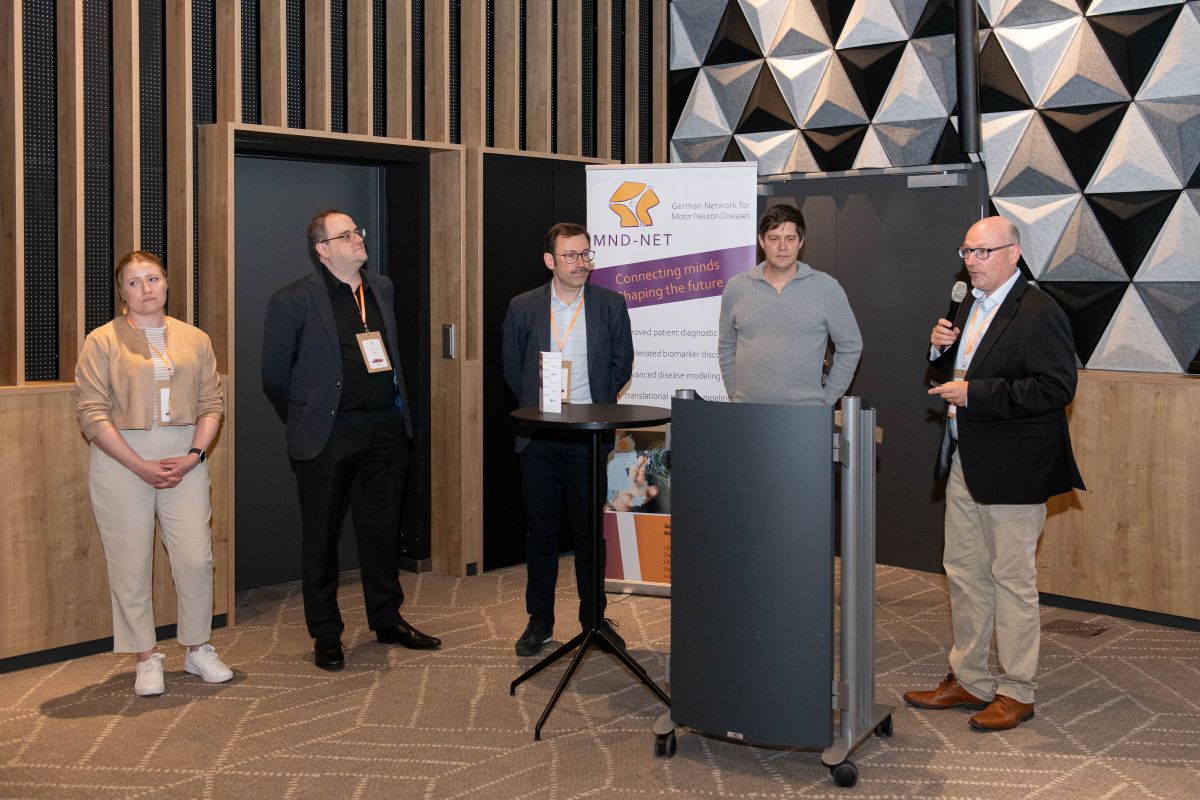
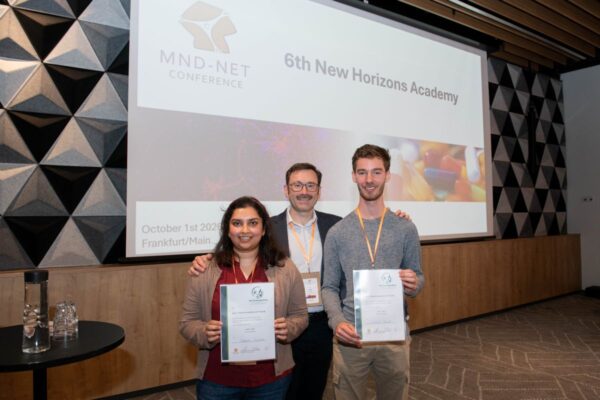
A special moment: the presentation of the New Horizon Academy Award to Jahnavi Srinidhi and Lukas Prewe for the most outstanding early-career research project—congratulations!
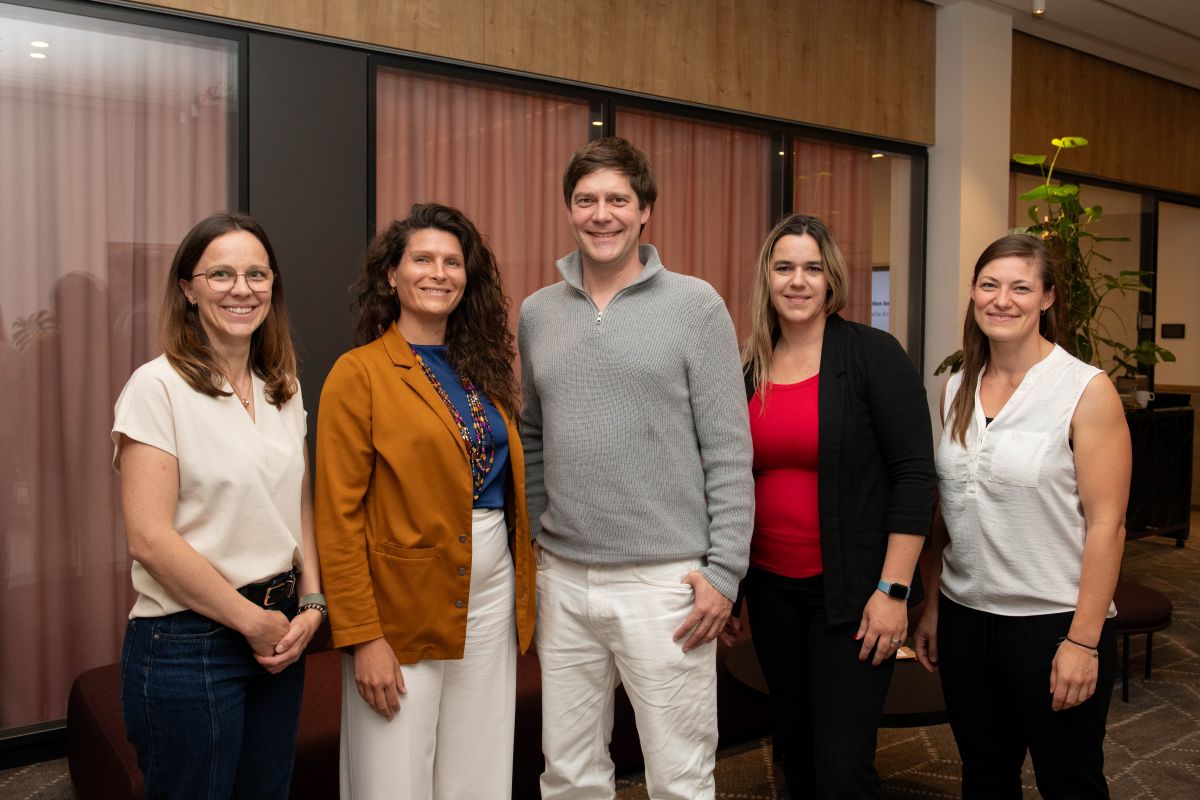
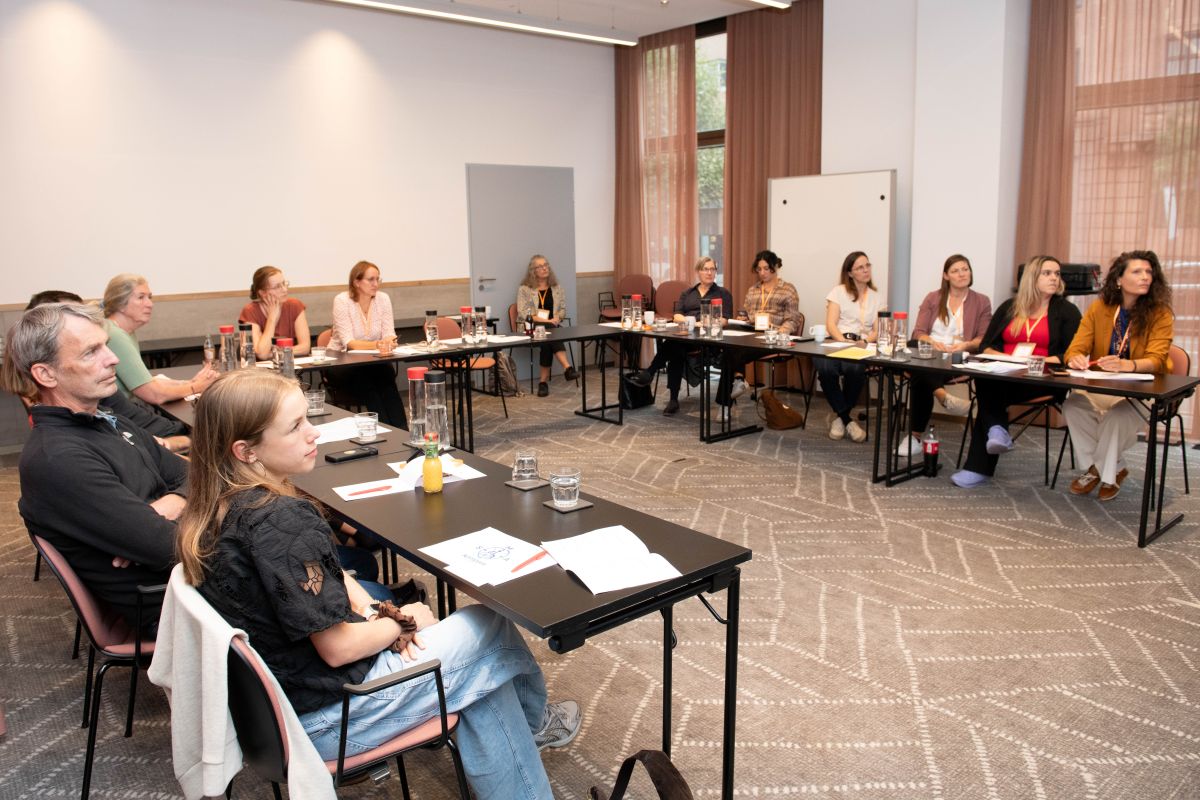
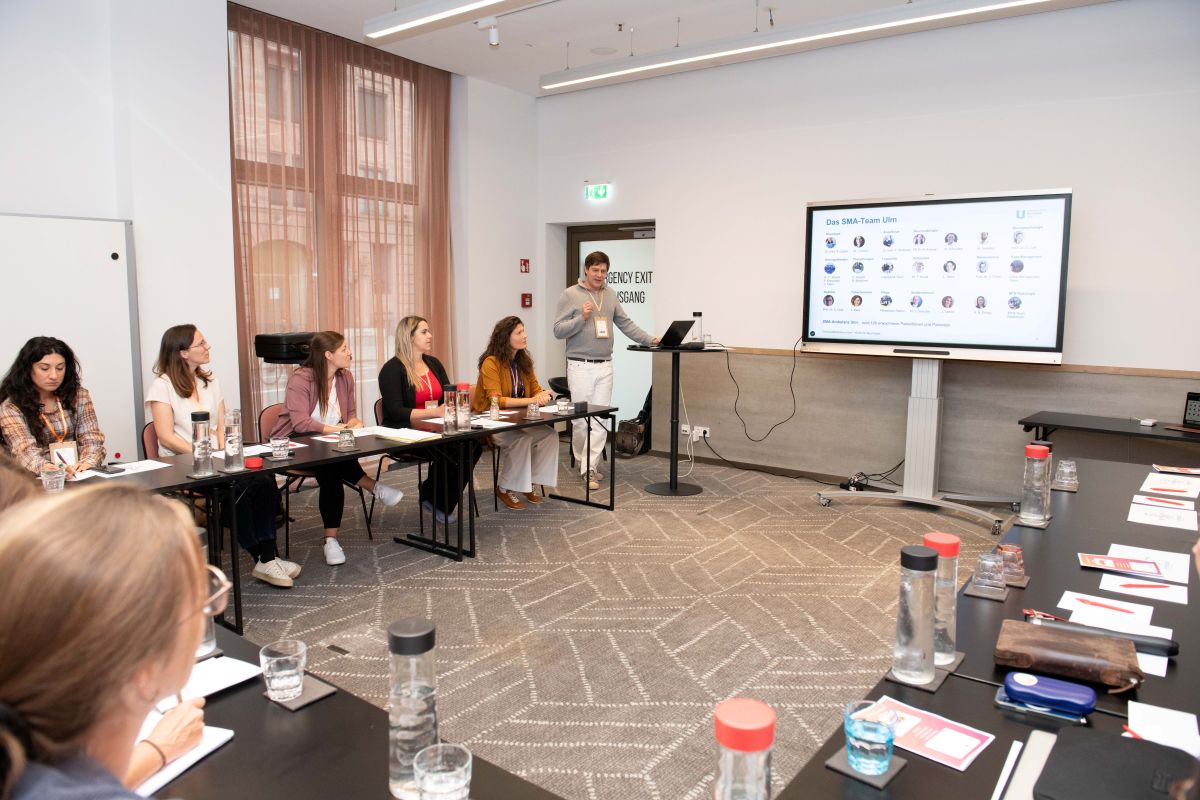
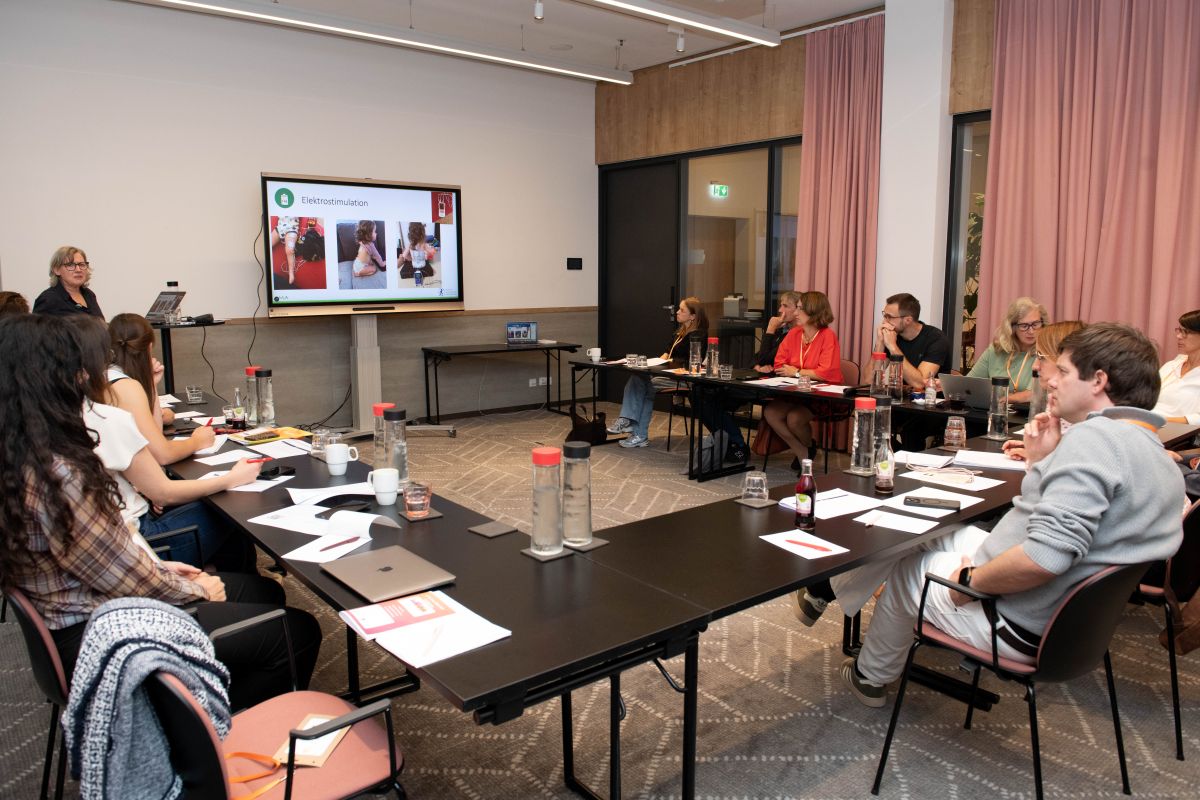
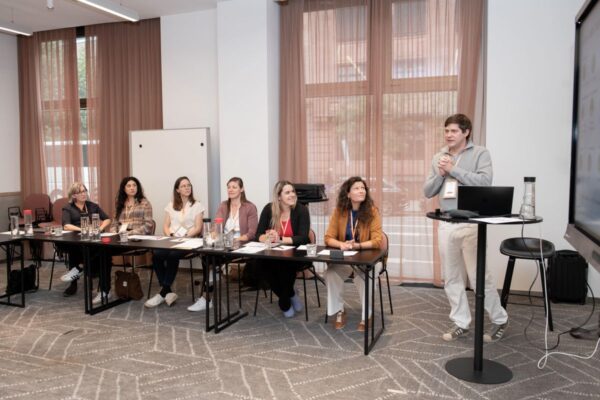
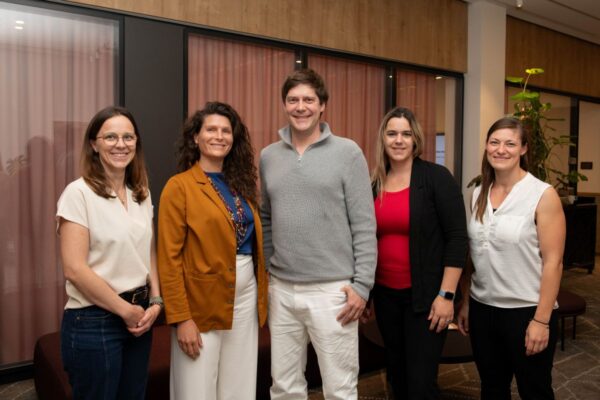
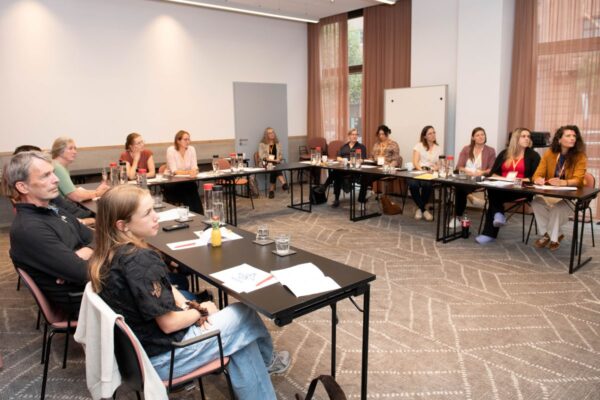
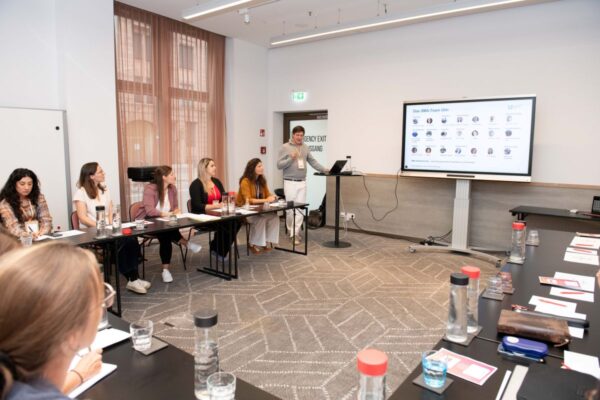
Allied Health Academy – SMA Kompass
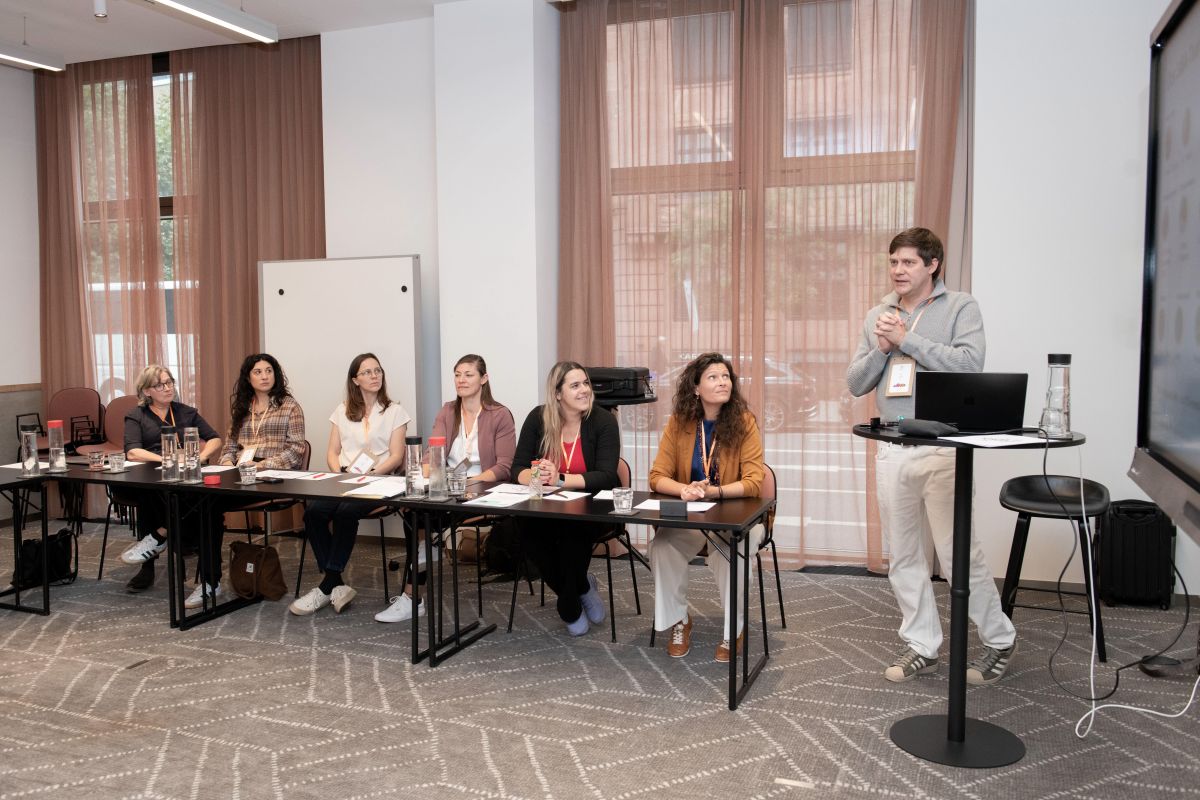
Physiotherapists, researchers, and clinical experts met to exchange knowledge and discuss current developments in spinal muscular atrophy (SMA). The program included updates on SMA pathophysiology and therapies, with a special focus on the importance of early intervention in children with SMA.
Participants explored key physiotherapy topics such as contracture prevention, pain management, and the results of a recent SMA survey. Ongoing research on physiotherapeutic interventions and innovative training approaches was also presented and discussed.
The workshop concluded with practical insights into physiotherapy assessments in everyday clinical practice, as well as an outlook on future activities and collaborative initiatives within the SMA community.
It was wonderful to have so many engaged participants join us. Thank you for your active contributions, thoughtful discussions, and commitment to advancing physiotherapy in SMA together.
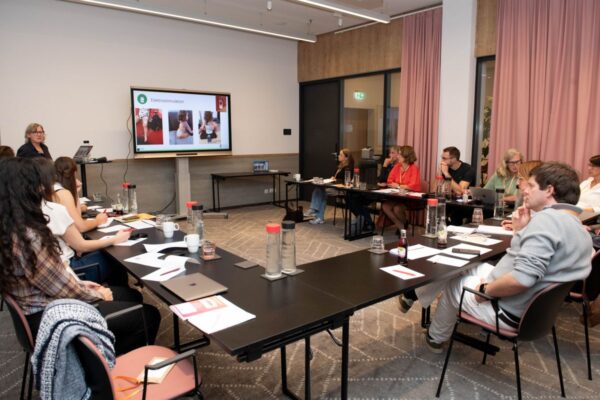
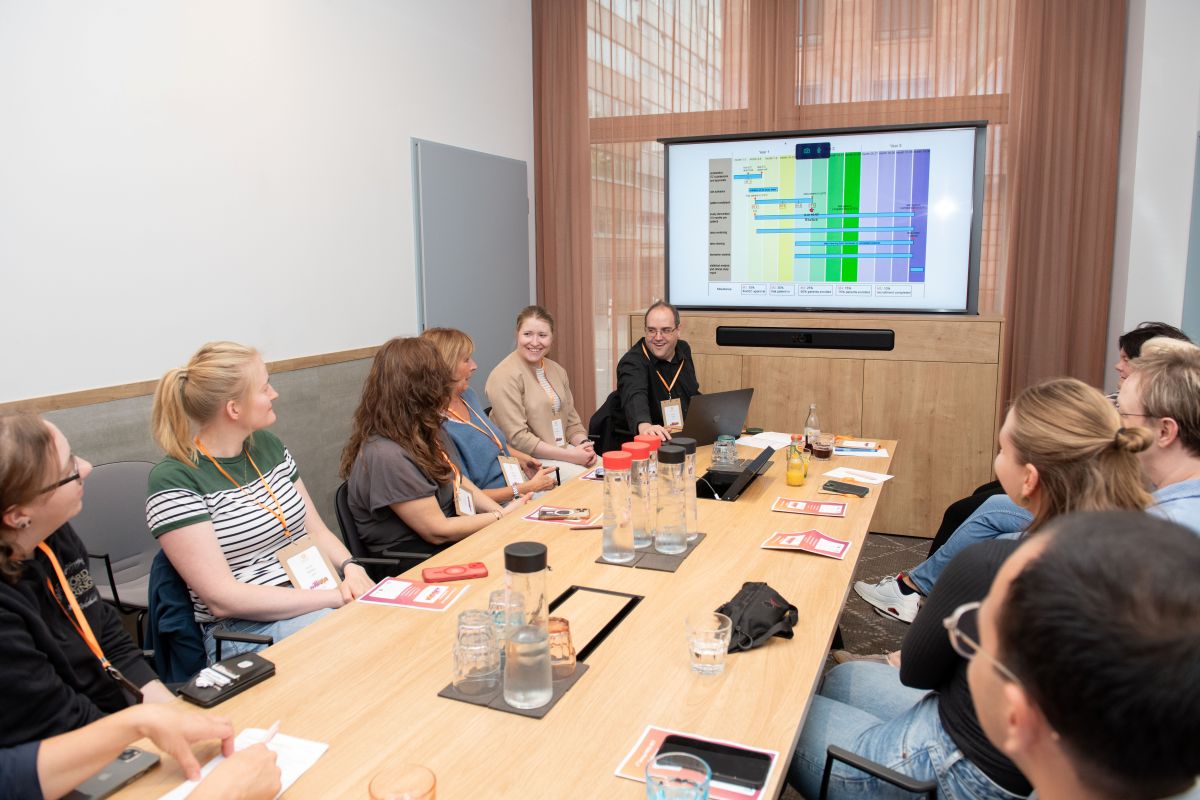
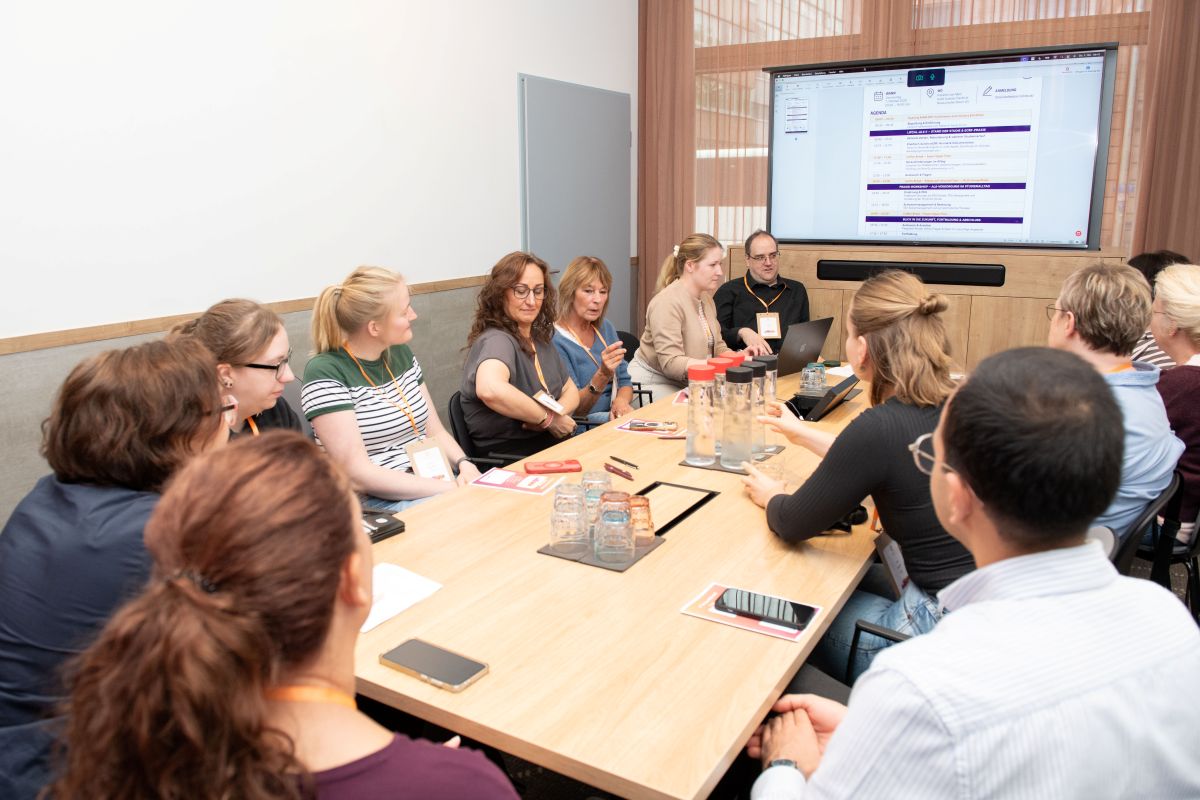
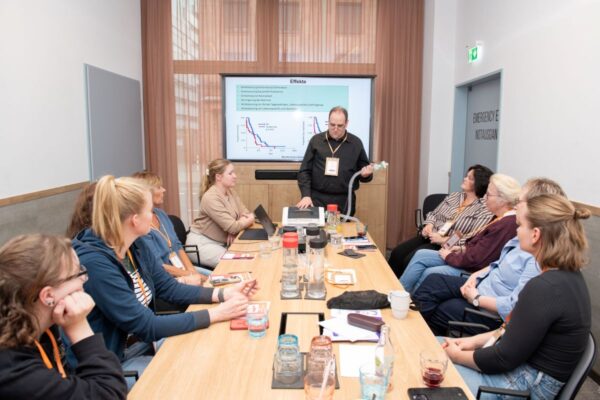
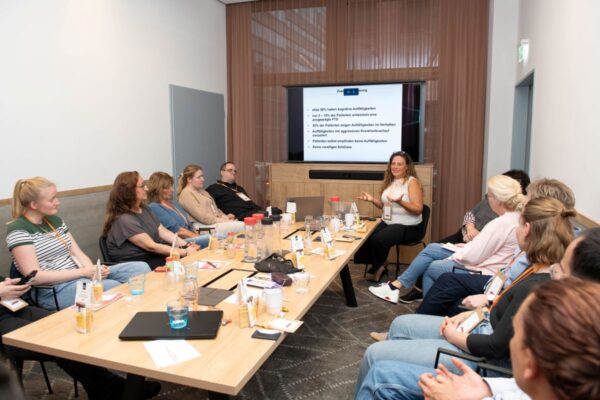
Research Nurse Forum
The Study Nurse Forum provided comprehensive updates on the LIPCAL-ALS II study, including a practical guidance on eCRF documentation.
Participants discussed common challenges in daily study practice, such as handling discontinuations, adverse events, NIV documentation, and the management of remaining study nutrition.
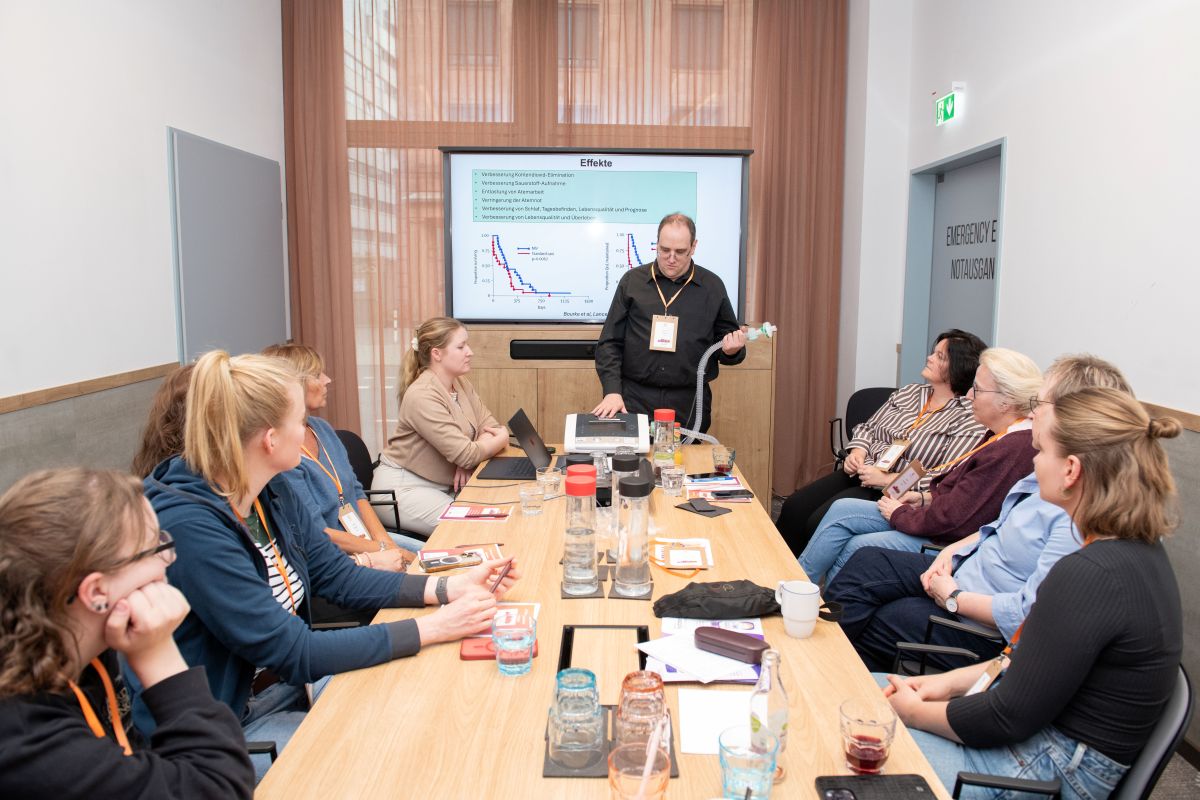
A hands-on workshop focused on key aspects of ALS care in clinical studies. Topics included nutritional management and PEG care, practical training using a PEG model, the PEGASUS study, as well as symptom management, non-invasive ventilation, and secretion management.
The meeting concluded with an interactive exchange on future educational opportunities and network activities.
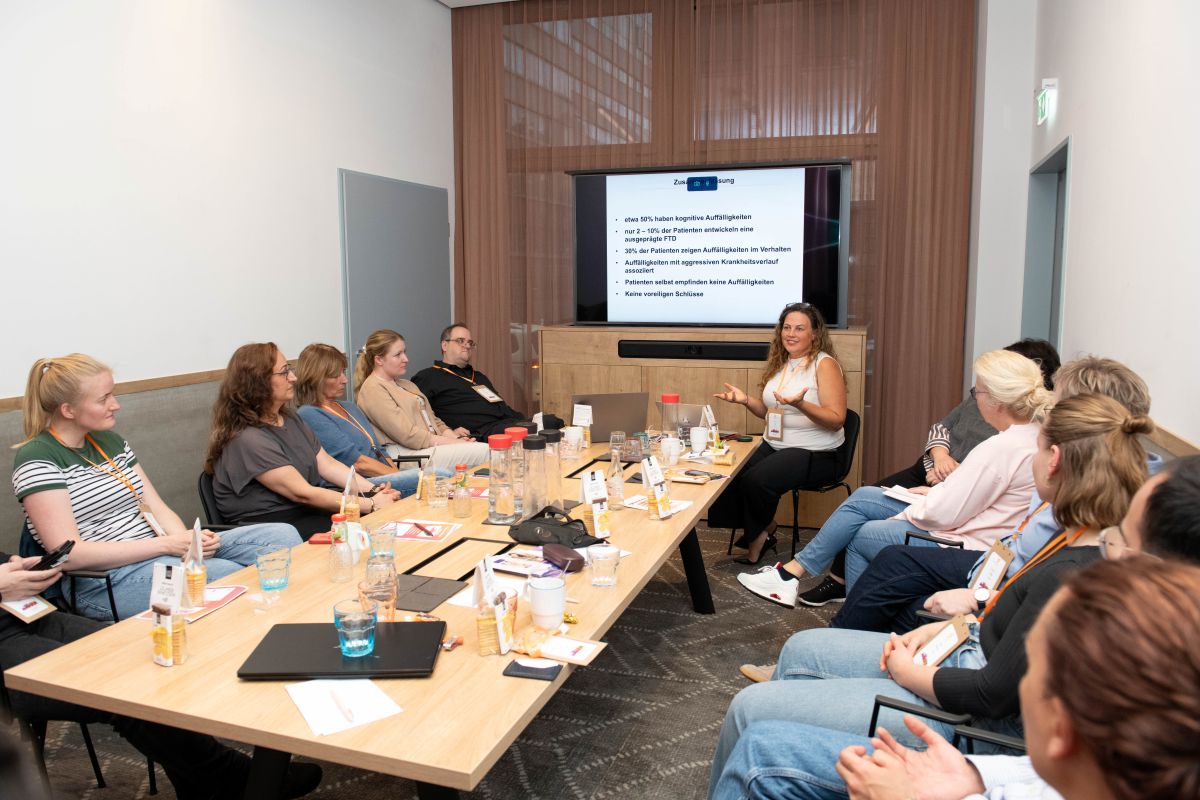
A special training session by Prof. Dr. Dorothée Lulé addressed the management of cognitive and behavioral changes in ALS, followed by a discussion of ideas and priorities for future Study Nurse Forum initiatives.
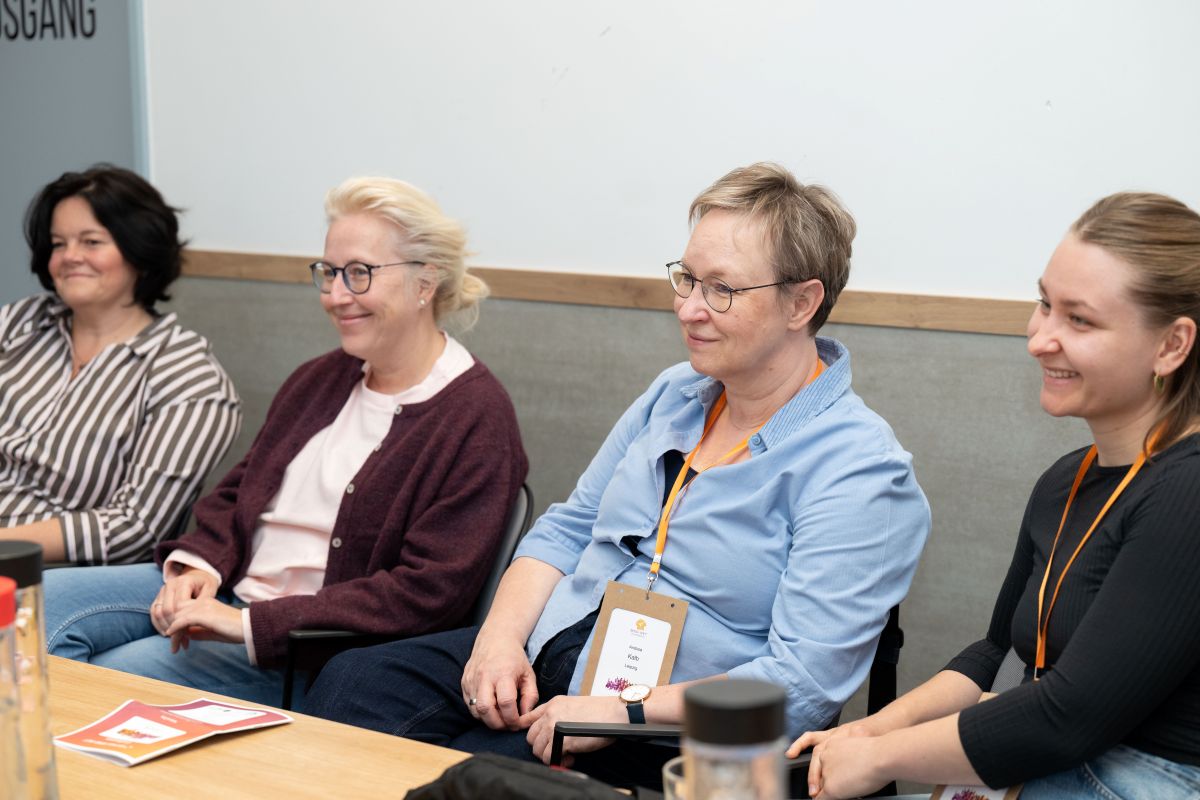
The greatest strength of our network is the people within it. Thank you to everyone who contributed, asked questions, shared experiences, and supported one another. Your engagement made this exchange invaluable and reminds us how much we can achieve together.
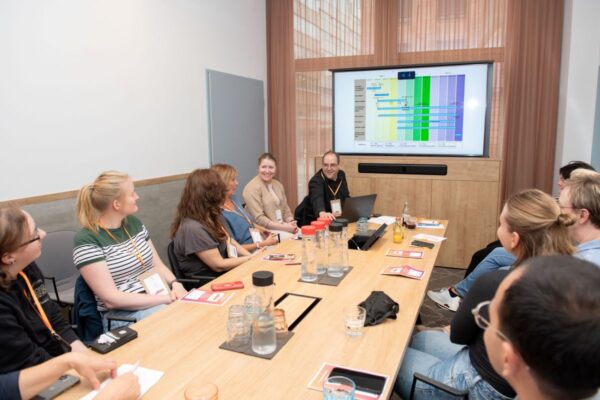
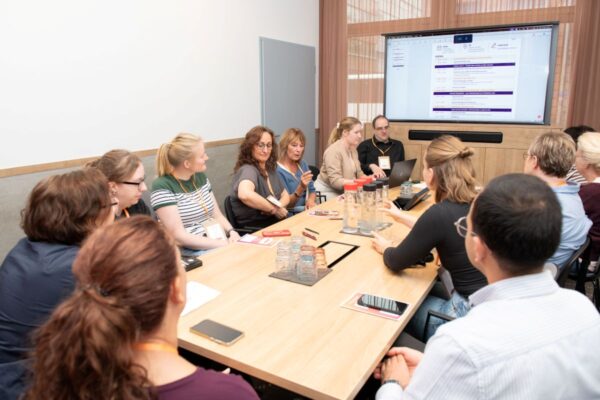
Keynote lecture and dinner
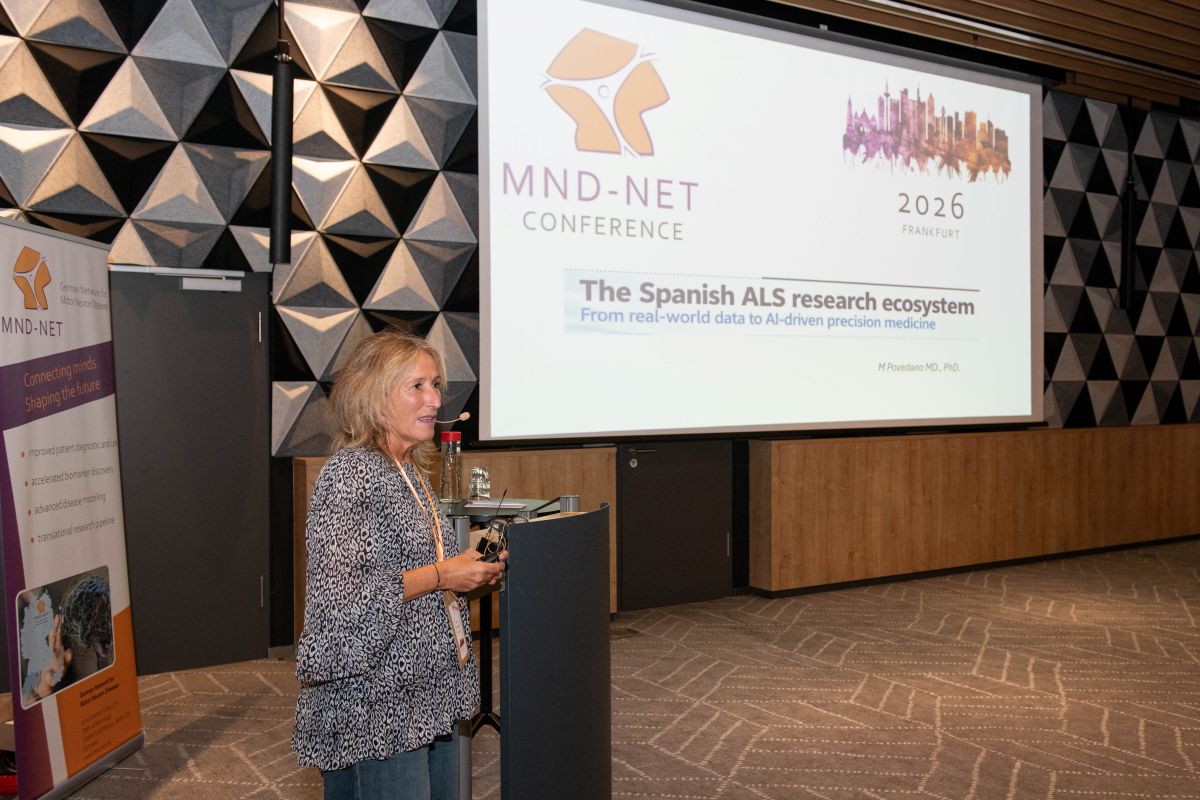
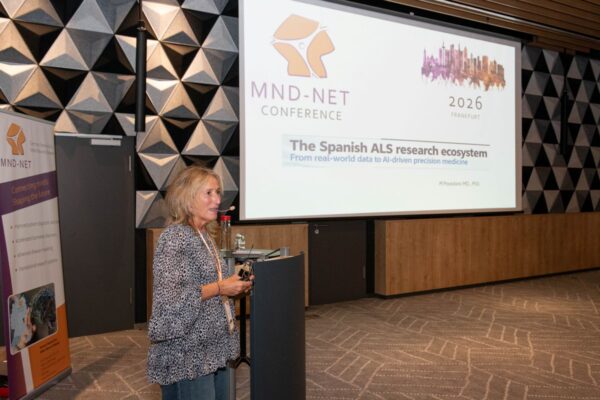
A special highlight of the conference was the keynote lecture “The Spanish ALS research ecosystem – From real-world data to AI-driven precision medicine” by Prof. Dr. Mónica Povedano (Bellvitge University Hospital, Barcelona) on Thursday evening.
With her focus on ALS phenotyping, biomarkers, and multidisciplinary care, she impressively demonstrated the direction in which research and clinical practice might move in the coming years—and sparked many exciting questions and discussions.
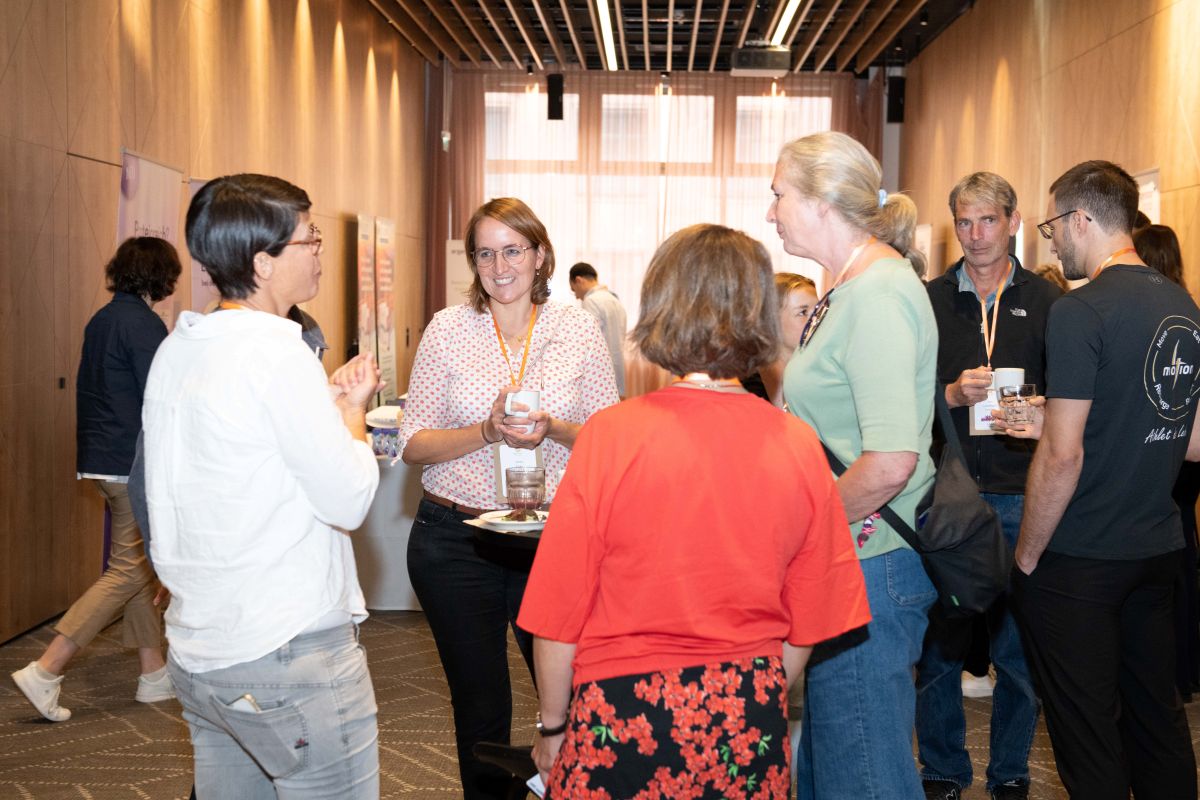
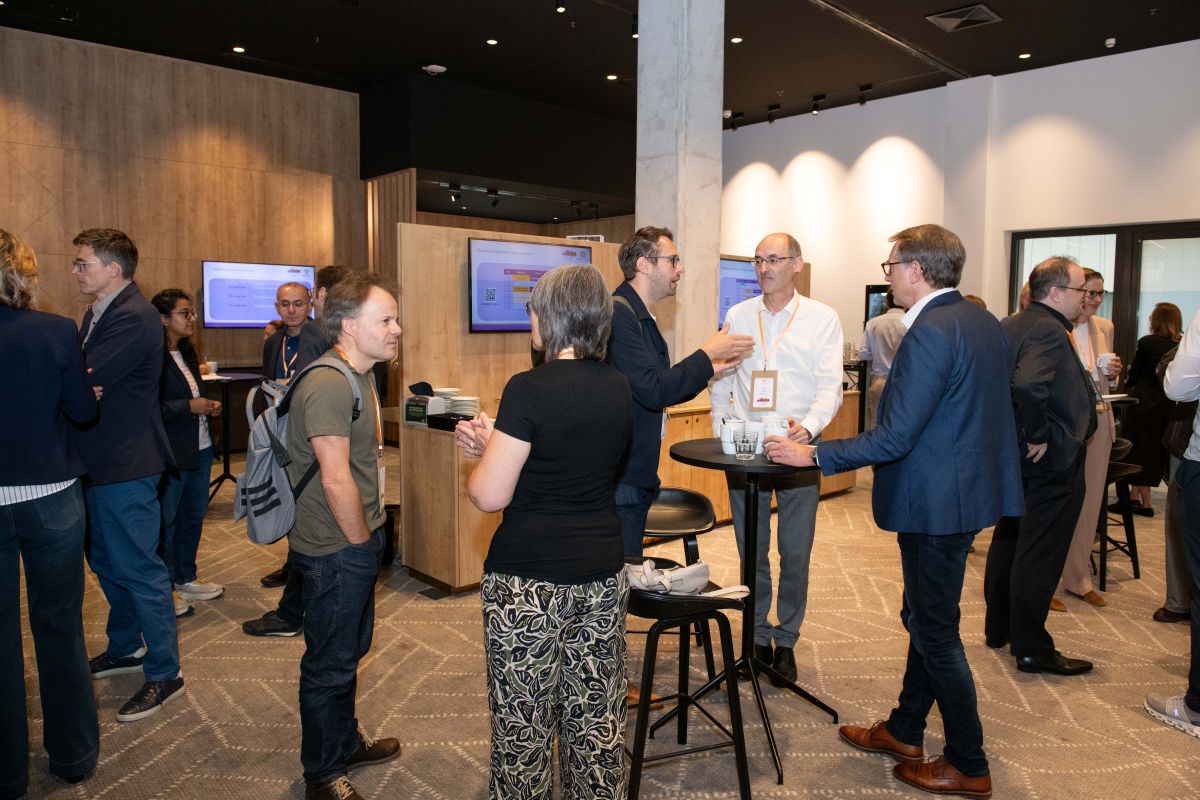
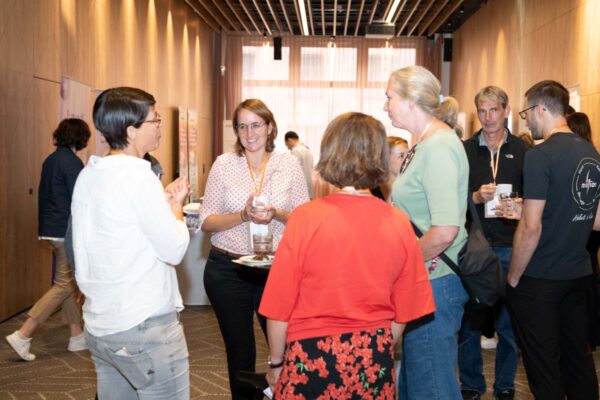
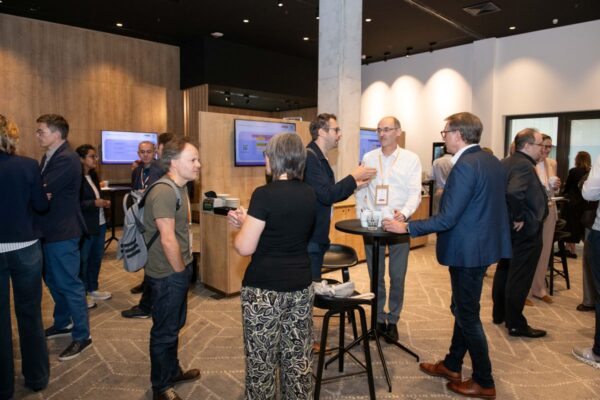
The evening continued with dinner in a familial atmosphere. Many enjoyable conversations and interdisciplinary discussions across all conference formats, plans for joint projects began to take shape.
Thank you!
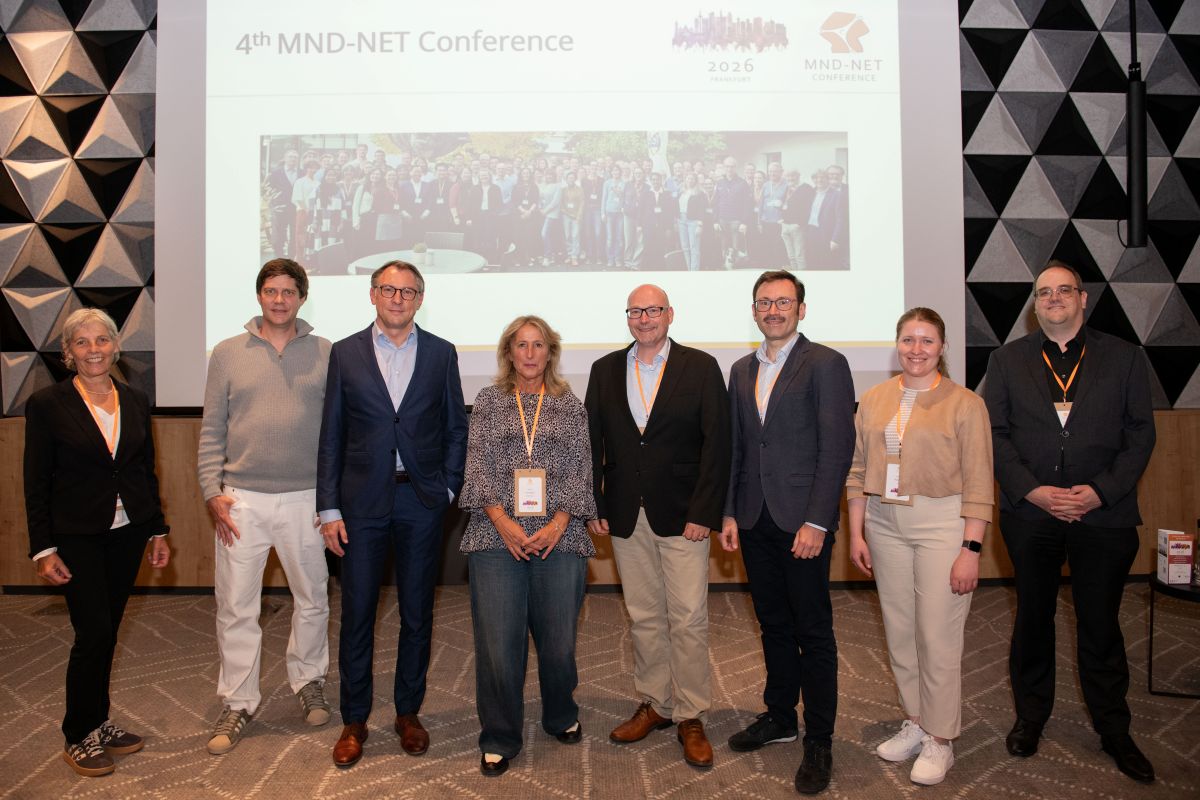
We would like to thank all the speakers, participants, and the entire organizing team for inspiring presentations, lively discussions, and a truly successful conference.
Special thanks go to the entire team for their outstanding organization.
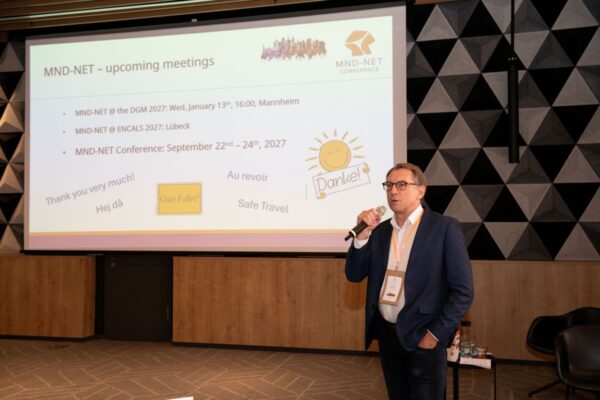
We are already looking forward to the 5th MND-NET Conference in 2027!